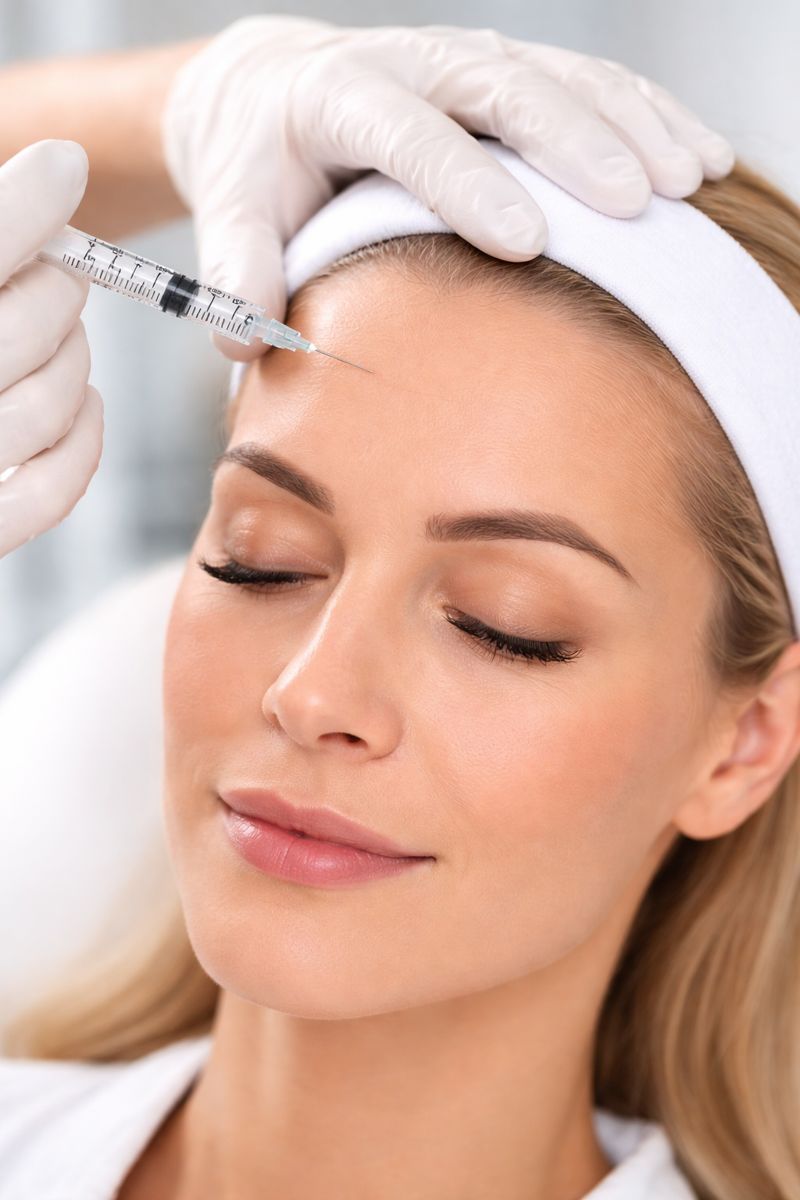
You can expect medical-grade skin and body treatments tailored to your needs, delivered by licensed professionals using proven technologies. Ottawa medical spa combines clinical procedures like laser hair removal, injectables, and skin rejuvenation with spa comfort so you get safer, longer-lasting results than a typical day spa.
This post Medical Spa walks you through common services, what to ask during consultations, and how to choose a clinic that matches your goals and safety standards. Keep reading to learn which treatments fit your concerns and how to pick a qualified Ottawa medspa that protects your skin and time.
Ottawa Medical Spa Services
You can expect targeted skin care, hair-reduction technology, and cosmetic injectables that address specific concerns like texture, unwanted hair, and volume loss. Each service pairs a clinical assessment with treatment options so you know the goals, risks, and aftercare before you start.
Facial Treatments
You receive an initial skin analysis that identifies skin type, sensitivity, and active concerns such as acne, pigmentation, or fine lines. Common clinical facials combine medical-grade cleansers, mechanical or chemical exfoliation (glycolic, salicylic, or lactic acids), and professional extractions when needed.
Advanced options often include chemical peels, microdermabrasion, microneedling, and LED light therapy. Each treatment lists expected downtime: light peels may cause 24–48 hours of redness; medium peels and microneedling can cause 3–7 days of visible redness and peeling. Expect recommended pre- and post-care: sun avoidance, SPF, and gentle moisturizers.
Licensed estheticians or medical staff tailor session frequency—monthly for maintenance facials, every 4–6 weeks for corrective peels, or a series of 3–6 microneedling sessions spaced 4–6 weeks apart. Ask about patch tests if you have sensitive skin or a history of reactions.
Laser Hair Removal
You start with a consultation to determine hair color, skin tone (Fitzpatrick scale), and any contraindications like recent tanning or certain medications. Providers use diode or Alexandrite lasers; diode works well on darker skin tones, Alexandrite gives faster coverage on lighter skin.
Treatment settings vary by hair thickness and follicle depth. Most clients need 6–8 sessions spaced 4–8 weeks apart for face and 6–12 weeks for body areas. You should shave the area 24–48 hours before each session; avoid waxing, plucking, or bleaching between treatments.
Side effects are typically transient: mild redness, pinpoint swelling, or temporary pigment changes. Clinics provide cooling protocols and post-treatment instructions: avoid heat, strong sun exposure, and exfoliation for a short period. Ask about package pricing and maintenance touch-ups every 6–12 months if hair regrowth occurs.
Injectables and Dermal Fillers
You receive a medical consultation that documents your facial anatomy, desired outcomes, and medical history. Neurotoxins (e.g., botulinum toxin) reduce dynamic lines by relaxing targeted muscles; effects usually appear in 3–7 days and last 3–4 months.
Hyaluronic acid fillers restore volume in areas like cheeks, lips, nasolabial folds, and under-eye hollows. Results are immediate for volume; full settling occurs over 1–2 weeks. Duration depends on product and location—lip fillers often last 6–12 months, deeper cheek fillers can last 12–24 months.
Clinics follow safety protocols: informed consent, sterile technique, and availability of reversal agents (hyaluronidase) for HA fillers. Expect common side effects: bruising, swelling, and tenderness for 24–72 hours. Discuss realistic goals, incremental treatment plans, and photos of prior work before proceeding.
Choosing the Right Ottawa Medical Spa
Look for a clinic where licensed medical staff perform treatments, modern devices match your concerns, and the consultation clarifies risks, costs, and realistic outcomes.
Evaluating Credentials and Expertise
Verify that the med spa employs or contracts licensed medical professionals—physicians, nurse practitioners, registered nurses, or physician assistants—for injectable, laser, and advanced procedures. Ask for the practitioner’s full name, specialty, medical license number, and how long they’ve performed the specific treatment you want.
Request before-and-after photos of the exact provider who will treat you, not generic clinic galleries. Check online reviews and professional listings (college or licensing body sites) for complaints or disciplinary actions.
Confirm staff training on each device or technique: manufacturer certification, continuing-education courses, and regular competency assessments matter. If you plan injectables or body contouring, prioritize clinics that perform procedures in a medically equipped room rather than a retail-style treatment bay.
Assessing Technology and Equipment
Identify the exact devices the spa uses for your treatment (e.g., Alexandrite vs. diode laser for hair removal, fractional CO2 vs. erbium for resurfacing). Different platforms produce different results and risks, so ask for model names and manufacturer information.
Inquire about device maintenance, calibration records, and how often consumables (tips, handpieces) are replaced. Proper servicing reduces complication rates. Also confirm whether the spa offers multiple technologies for tailored treatment—combining modalities often improves outcomes for complex concerns like rosacea, acne scarring, or mixed hair types.
Ask how the provider selects settings for your skin type and what built-in safety features the machine has (cooling systems, wavelength filters). If you have darker skin or a history of scarring, ensure the device and operator have documented experience treating similar cases.
Consultation Process
Expect a structured consultation that includes medical history, medication review, prior procedures, and clear photos or skin/base measurements. The provider should document allergies, pregnancy status, autoimmune conditions, and recent isotretinoin use—those affect candidacy and timing.
You should receive a personalized treatment plan detailing number of sessions, interval timing, expected improvements, downtime, possible side effects, and recovery steps. Get a written cost estimate that breaks out product fees, device fees, and follow-up or touch-up charges.
Good consultations include informed-consent discussion and written forms. If you leave the visit with unanswered questions, request a follow-up call or written FAQs specific to your procedure before booking.