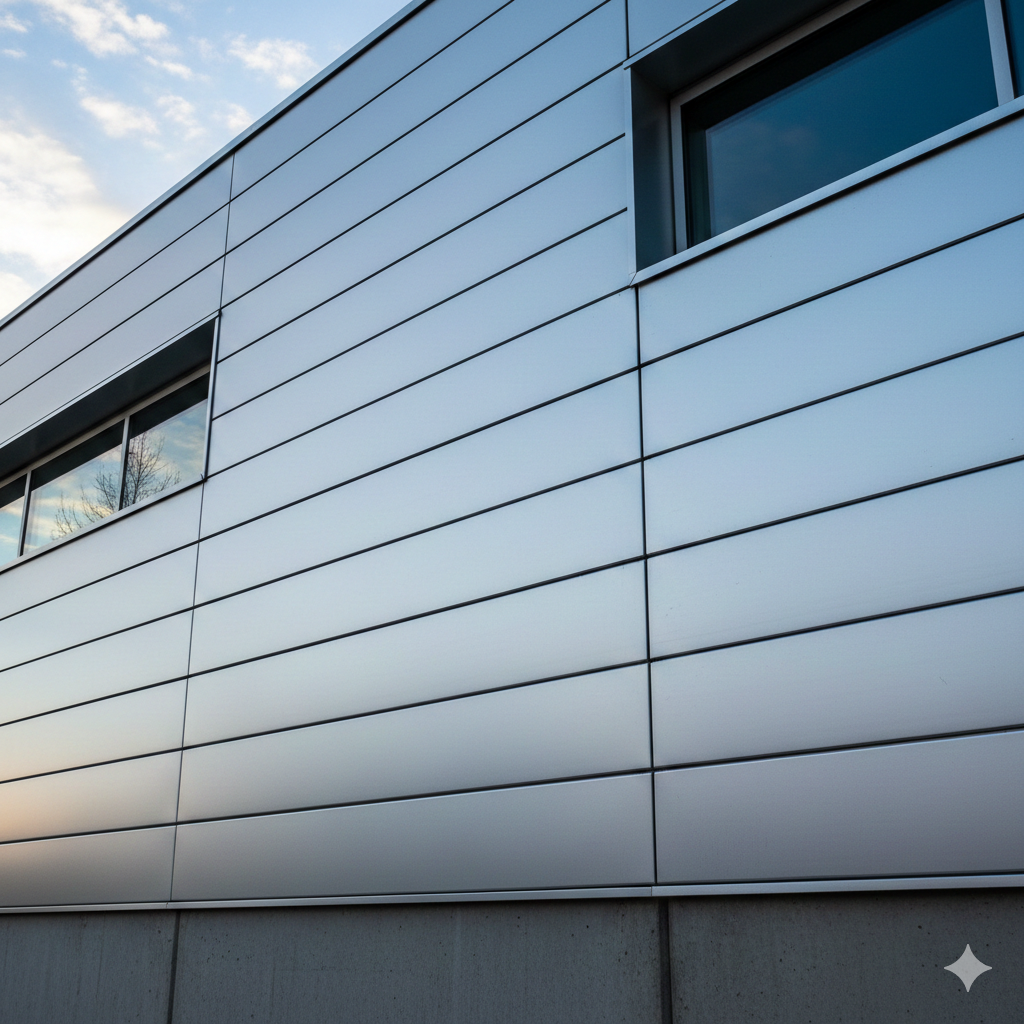
You want dependable aluminum composite panels that meet performance, budget, and aesthetic needs, and you need to know which manufacturers reliably deliver those outcomes. Focus on makers with proven quality, code compliance, and wide product ranges—those are the firms most likely to give you durable, consistent panels for façades, signage, or interior work.
This article Aluminum Composite Panel Manufacturers guides you through leading manufacturers, what sets them apart, and how to match their capabilities to your project requirements so you can make a confident purchase decision. You’ll learn which features—manufacturing capacity, material options, sustainability, and installation support—matter most when choosing a supplier.
Leading Aluminum Composite Panel Manufacturers
You will find established global brands that set product and safety standards, strong regional producers that balance cost and local compliance, and newer companies pushing niche innovation and value. Each group affects availability, lead times, certification choices, and price points you’ll encounter on projects.
Global Industry Leaders
Global leaders like 3A Composites (ALUCOBOND) and other multinational firms supply extensive product lines, strict quality control, and international warranties you can rely on for large or cross-border projects. They typically offer factory-applied PVDF or fluoropolymer coatings, fire-rated cores, and documented test reports for wind, impact, and UV resistance.
You’ll get broad color palettes, custom finishes, and global technical support from these manufacturers. Expect longer lead times but consistent certification packages (A2/EN13501-1, NFPA 285 variants) and supply chains that support façade consultants and architects on high-spec builds.
Top Regional Producers
Regional producers in Canada, Europe, China, and the Middle East focus on fast delivery, price-competitive lines, and compliance with local building codes. Companies like Alumtech Bond or national divisions of larger brands often tailor product mixes—standard ACP, non-combustible solid aluminum, and economy cores—to regional demand and climate conditions.
You’ll benefit from shorter logistics, easier certification alignment with local authorities, and responsive technical service. These suppliers commonly stock commonly used panel sizes and colors and can support smaller commercial jobs, signage, and retrofit work at lower total cost than global imports.
Emerging Manufacturing Companies
Emerging manufacturers deliver targeted advantages: lower unit costs, rapid prototyping, and niche innovations such as recycled core materials or proprietary bonding processes. Brands in growth markets often prioritize value engineering and flexible MOQ (minimum order quantity) that suits smaller contractors and bespoke applications.
You should vet these companies for tested fire performance, coating durability, and consistent flatness. Ask for sample panels, third‑party lab reports, and references from recent façade projects before committing to large-volume orders.
Selecting the Right Aluminum Composite Panel Manufacturer
Focus on measurable evidence: test reports, product ranges, customization options, and documented sustainability practices. Prioritize suppliers that can show certifications, samples, lead times, and clear warranty terms.
Quality Assurance and Certifications
Verify third‑party certifications and test reports before you commit. Look for ISO 9001 for quality management, EN 13501-1 or ASTM E84 fire classification for façade use, and PVDF or FEVE coil‑coat performance data for long‑term weathering.
Request recent test reports that match the exact product construction you plan to buy (core type, coating system, and sheet thickness). Check factory inspection records, production tolerances, and QA sampling frequency to confirm consistent output.
Ask about traceability: batch numbers, production dates, and material certificates for aluminum alloys and core materials. Confirm warranty scope, claimed life expectancy, and how the manufacturer handles field failures and replacement logistics.
Range of Panel Products
Choose a manufacturer whose product line matches your project’s technical and aesthetic needs. Confirm availability of standard ACPs, fire‑rated ACM, non‑combustible metal composite panels, and specialty finishes such as anodized, metallic, or textured PVDF.
Compare panel thicknesses, face sheet gauges (commonly 0.3–0.6 mm), core compositions (PE, FR mineral, or A2 non‑combustible), and standard sizes. Make sure they can supply test sample kits and full‑scale mockups for façade trials.
Evaluate stocking and lead times for both common and custom colors. Ask whether they keep finish stocks for touch‑up orders and how they handle long‑run color consistency across batches.
Customization and Design Capabilities
Confirm the manufacturer’s ability to meet your design tolerances and fabrication needs. Ask if they provide CNC routing, radius bending, perforation, and integrated subframe details for rainscreen systems.
Request CAD/BIM support and shop drawings to ensure components coordinate with your structural and curtain wall systems. Verify the capacity for custom colors, digital printing, and matching to RAL/BS/NCS standards with measured color deviation data (ΔE).
Discuss minimum order quantities, prototype lead times, and revisions policy. Ensure they supply installation guidance, tested fasteners/anchors, and on‑site support or approved installers for complex façades.
Sustainability and Eco-Friendly Practices
Evaluate the manufacturer’s raw material sourcing and end‑of‑life strategies. Check for recycled aluminum content percentages and whether the core material is recyclable or made from mineral/FR alternatives with lower environmental impact.
Request environmental product declarations (EPDs), life‑cycle assessments (LCAs), and any ISO 14001 environmental management certification. Confirm emissions and VOC data for coatings, and ask how they manage production waste and energy use.
Consider suppliers offering take‑back programs, product stewardship for demolition, or cradle‑to‑cradle certifications. These practices reduce long‑term risk and may support green building credits on your project.