When your furnace repair falters, you need clear options and fast action to restore heat and safety in your Langley home. Contact a qualified local HVAC or plumbing-and-heating company that offers same-day or emergency service to diagnose and fix the problem quickly, and ask about parts-on-vehicle and warranty coverage to increase the chance of a first-visit repair.
You’ll learn which common heating system issues to watch for—like ignition failure, blower problems, and poor airflow—and how to spot signs that mean repair versus replacement. The post Furnace Repair Langley also explains how to choose reliable local services in Langley, what questions to ask technicians, and how preventive maintenance can keep your system running through cold snaps.
Common Heating System Issues
You’ll learn the most common faults homeowners face, how to check simple causes, and which problems require a licensed technician. Read the signs, basic troubleshooting steps, and criteria that separate minor repairs from major work.
Signs You Need Professional Support
If your furnace makes loud banging, rattling, or squealing noises, call a pro. Mechanical noises often indicate loose components, failing bearings, or a cracked heat exchanger—issues that can worsen quickly or pose safety risks.
Watch for frequent short-cycling (turning on and off). That raises energy use and can mean an oversized unit, a failing thermostat, or restricted airflow from a dirty filter or blocked vents. Also note uneven heating between rooms; that may point to duct leaks, a failing blower motor, or incorrect system sizing.
Check for yellow burner flames, pilot light problems, or a strong gas smell. Those are safety issues—shut off the system and get emergency service. Persistent high utility bills without a change in use also justify professional diagnostics.
Troubleshooting Basic Problems
Start with safety: turn off power and gas before inspecting. Replace a dirty air filter first; restricted airflow causes many performance problems. Clean or straighten return and supply registers and ensure vents are open and unobstructed.
Verify thermostat settings and batteries. Set it to “heat,” raise the setpoint, and listen for the furnace to respond; if it won’t call for heat, the thermostat may be faulty or miswired. If the furnace won’t ignite, check the pilot/ignition system and the condensate drain (for high-efficiency units) for clogs.
Reset the breaker and check the furnace switch. Look for error codes on the control board or flashing LEDs—document the pattern before calling for service. If basic fixes don’t restore normal operation, stop and schedule a technician to avoid causing further damage.
Major vs Minor Furnace Repairs
Minor repairs you can expect include filter replacement, thermostat swaps, capacitor or relay replacement, and cleaning burners or flame sensors. These typically cost less and can restore performance quickly when done correctly.
Major repairs involve heat exchanger replacement, circuit board swaps, compressor/inducer motor replacement, or extensive ductwork repair. These require certified technicians and may approach the cost of a new system, especially with older furnaces. Safety-related repairs—gas valve, cracked heat exchanger, or persistent carbon-monoxide indicators—must be prioritized and handled by licensed professionals.
When evaluating repair versus replacement, compare the repair cost, furnace age (over 15 years favors replacement), efficiency loss, and remaining warranty coverage. Ask for written estimates that list parts, labor, and any diagnostics fees before authorizing work.
Choosing Reliable Local Services
You should prioritize licensed technicians, clear on-site procedures, and written guarantees when hiring a furnace repair company. Focus on credentials, a predictable service visit, and warranty details that protect both parts and labor.
Selecting Certified Technicians
Look for technicians with provincial or industry certifications, such as Red Seal, Gas Technician endorsements, or HVAC trade credentials recognized in British Columbia. Ask the company to email or show their technician’s certification and government-issued ID before work begins.
Verify insurance: confirm the firm carries liability insurance and WCB (WorkSafeBC) coverage for workers. Request references or recent customer reviews specific to furnace repairs in Langley; look for jobs that match your furnace make and model. Prefer companies that perform in-house training and maintain factory-authorized status for major brands.
Get a written estimate that lists labor rates, diagnostic fees, and parts pricing. Check whether the technician is able to provide a safety checklist and a written scope of repairs before any work starts.
What to Expect During a Service Visit
A professional visit begins with a safety inspection and diagnostic testing of combustion, venting, and electrical systems. The technician should explain findings in plain language, show failing components when feasible, and present options: repair, clean, or replace.
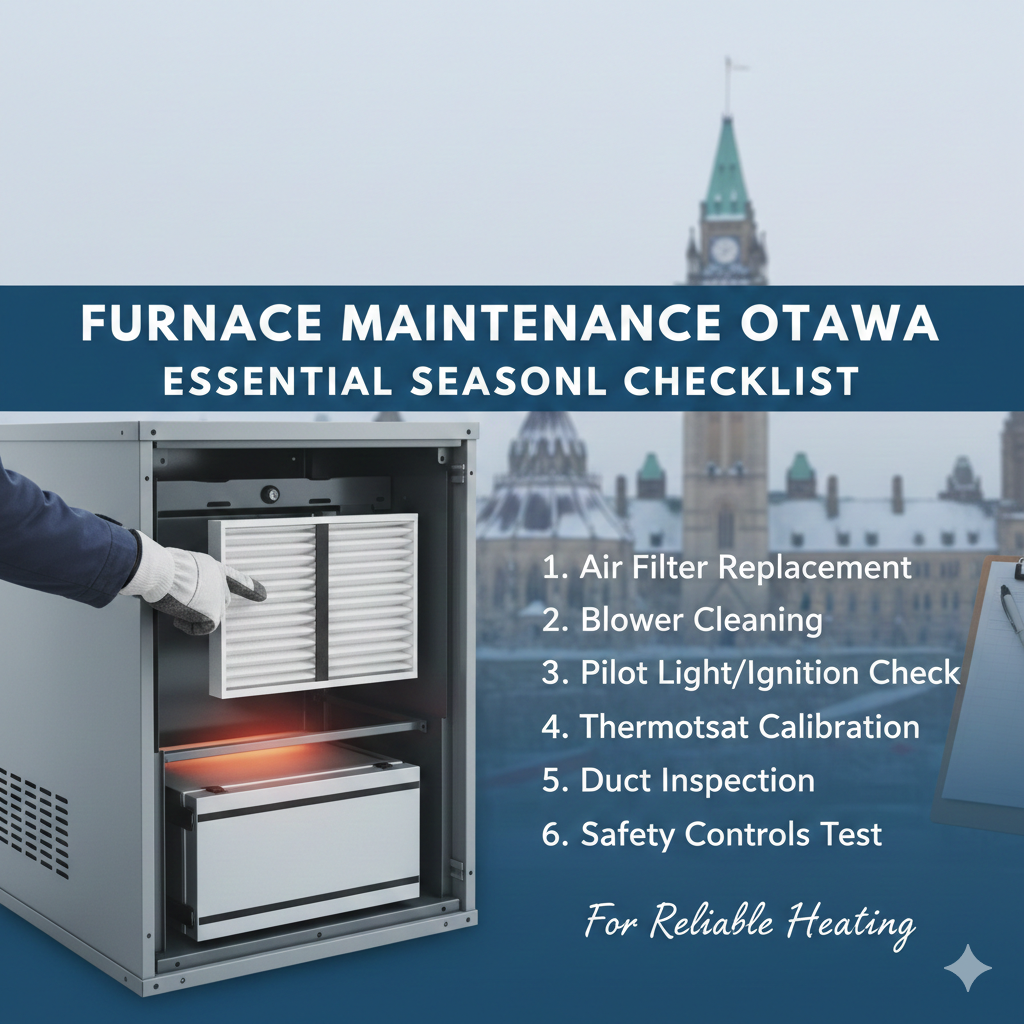
You should receive a clear, itemized estimate before authorizing work. Expect basic tasks like filter replacement, burner and heat exchanger inspection, and thermostat calibration for tune-ups. For repairs, ask how long the job will take, which parts will be used (OEM vs. aftermarket), and whether they test system performance after completion.
Ensure the technician documents test results and leaves you a service report with recommendations, part numbers, and any follow-up actions. If the visit involves unsafe conditions, the technician must stop work and outline required corrections.
Warranty and Service Guarantees
Request written warranties covering parts and labor, and confirm coverage periods for each. Standard expectations: parts warranties from manufacturers and a separate labor warranty from the service provider—commonly 30 to 365 days—so verify exact terms in writing.
Ask whether the company honors manufacturer warranty work and if they use OEM parts to avoid voiding your furnace warranty. Clarify any service-call fees for warranty follow-ups and how emergency or after-hours repairs affect coverage.
Keep all receipts, work orders, and warranty documents in one place. When possible, register warranty repairs with the manufacturer immediately after service so you preserve transferability and avoid disputes later.