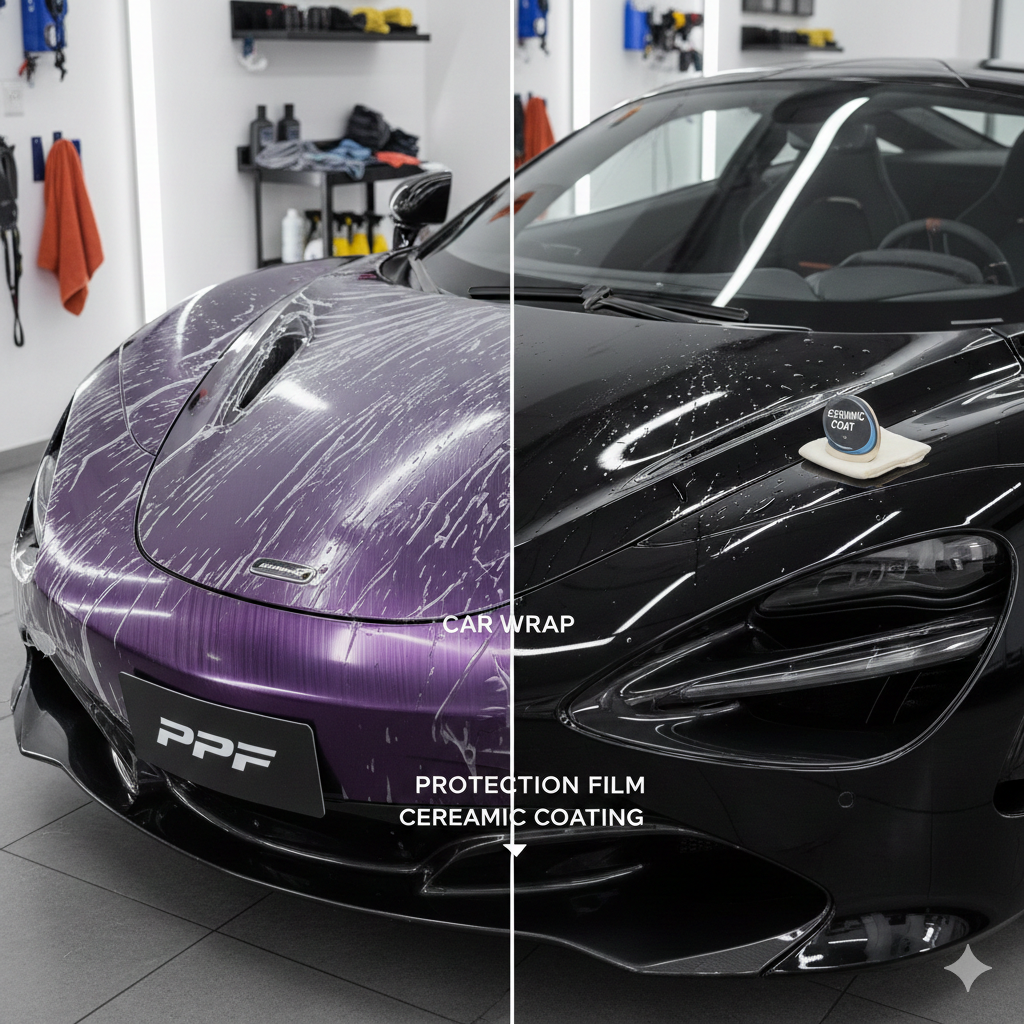
Protecting your car’s finish in Ottawa’s roads and weather starts with the right film. Paint protection film Ottawa gives you an invisible, durable barrier against rock chips, scratches, UV damage, and everyday wear so your paint stays newer longer.
You’ll learn what Paint Protection Film does, how it compares to other shields, and why installation quality matters when performance and appearance are on the line. Expect clear guidance on benefits, material choices, and how to pick an experienced installer in Ottawa so your investment pays off.
Benefits of Paint Protection Solutions
You get targeted protection that reduces everyday damage, preserves finish quality, and helps maintain a stronger resale position. The next points explain how each benefit works and what it means for your vehicle in practical terms.
Scratch and Chip Prevention
Paint protection film (PPF) creates a physical barrier between your vehicle’s paint and road hazards like gravel, salt, and sand. The film’s elastomeric topcoat absorbs minor impacts and often self-heals light swirl marks or shallow scratches when warmed by sunlight or a heat gun.
Focus protection on high-risk areas — front bumper, hood, side mirrors, and rocker panels — to prevent the most common chip patterns from developing.
PPF also resists staining from road tar, bird droppings, and salt, reducing the need for abrasive cleaning that can further damage paint. Proper installation with edge sealing limits lifting and reduces edge-related peeling that can expose paint to chips.
Enhanced Vehicle Appearance
PPF preserves the factory paint depth and gloss you had the day you bought the vehicle. Clear films maintain color clarity and can hide minor imperfections, while textured or matte films offer consistent finish options without altering panel fit or trim lines.
A quality installation will have invisible seams and clean edge finishing, so visual impact stays minimal and professional.
Surface protection reduces acid-etching from contaminants and limits UV-related fading. This keeps clearcoats brighter longer and lowers the frequency of polishing or compounding, which can thin paint over time.
Resale Value Preservation
Vehicles with intact PPF show fewer paint blemishes and lower repair histories for chips and scratches, which buyers and appraisers notice. Documentation of professional PPF installation and photos from day-of-install can support higher offers and quicker sales.
You avoid costly spot repairs and repainting that often reduce original factory finish value.
Maintaining original paint condition also helps when trade-in inspectors assess corrosion risk and overall cosmetic condition. That translates into stronger negotiation leverage and less depreciation tied to visible exterior damage.
Choosing the Right Installation Partner
Find an installer that combines certified skill, proven materials, and strong local feedback so your film performs and the warranty holds. Prioritize measurable credentials, specific product lines, and recent customer experiences when comparing shops.
Expertise and Certification
Look for XPEL or manufacturer certification badges displayed on an installer’s website or shop. Certifications show the installer completed hands-on training, understands pattern libraries, and follows manufacturer fitment and adhesive protocols.
Ask about technicians’ years installing PPF and how many full-vehicle versus partial-area installs they’ve done. Request examples of recent jobs — photos of front bumpers, full-hood wraps, and edge finishing reveal actual workmanship. Confirm whether the installer offers in-house heat-forming, paint-correction preps, and controlled curing spaces; those capabilities reduce fitment errors and visible seams.
Verify whether the shop carries a written installation warranty and what it covers (yellowing, lifting, delamination). A certified installer will register your film with the manufacturer when required and supply the warranty paperwork at handover.
Quality of Materials
Choose an installer that specifies the brand and film line they use rather than generic “clear bra” claims. Leading options include self-healing, optically clear films from established manufacturers; ask which specific film series they install and why they prefer it for Ottawa conditions.
Inquire about thickness (mil), topcoat technology, and UV resistance. Thicker films offer more impact protection; advanced topcoats improve stain resistance and self-healing. Confirm whether the installer stocks OEM-matched edge finishes and UV-stable adhesives to prevent lift in temperature swings.
Ask if they offer color PPF or ceramic-coated PPF combos for extra hydrophobicity. Also check if they perform paint correction before film application — it matters for clarity and long-term appearance. Get material details in writing so you compare apples to apples between shops.
Customer Reviews and Local Reputation
Scan local review sites and Google for recent feedback focused on PPF outcomes, not just tinting or detailing. Pay attention to comments about edge lifting, film clarity after winter, and whether warranty claims were handled promptly.
Look for before-and-after galleries with dates and vehicle models similar to yours. Recent examples show current methods and materials. Contact a few past customers if the shop provides references; ask about fitment durability after Ottawa road salt and gravel exposure.
Check how the shop responds publicly to complaints. Professional replies that offer remediation indicate accountability. Prioritize installers with steady, recent positive reviews and demonstrable experience protecting vehicles in Ottawa’s climate.