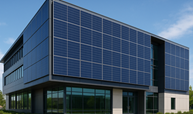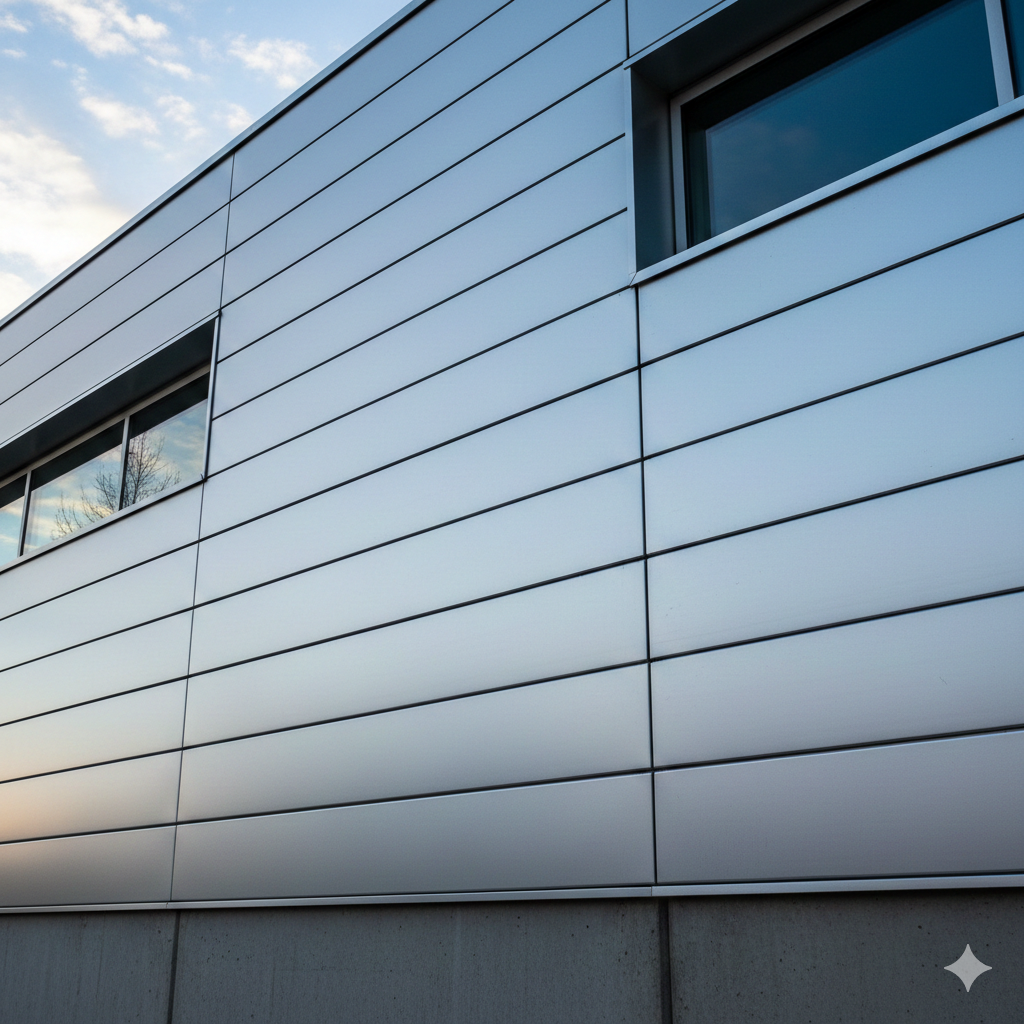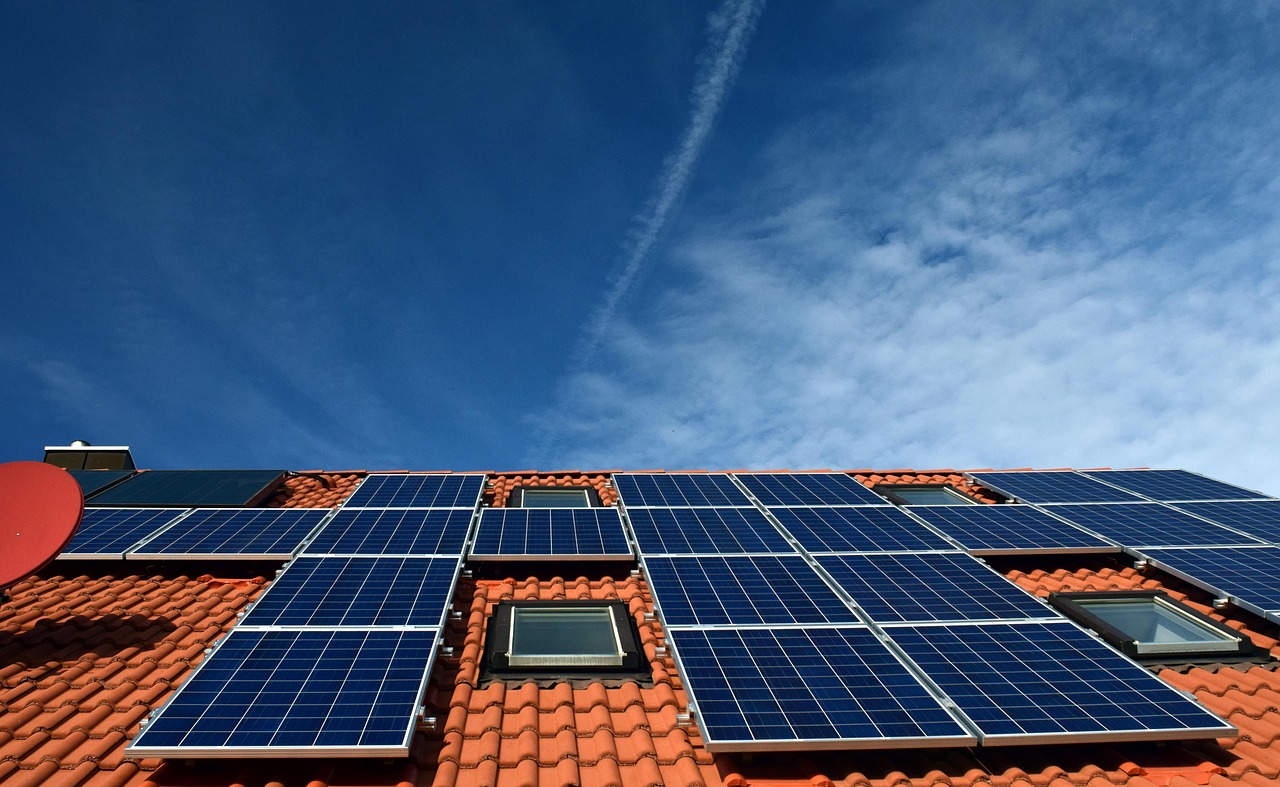
You can turn ordinary windows, skylights, and facades into electricity generators without sacrificing design. Photovoltaic glass embeds solar cells inside glass panels so your building surfaces produce usable power while still letting in light.
Imagine lowering energy bills and meeting sustainability goals with materials you already use in construction. This article explains what photovoltaic glass is, where it works best, and the practical advantages that make it a viable option for modern buildings.
What Is Photovoltaic Glass?
Photovoltaic glasses are building glass that generates electricity while serving as a transparent or semi-transparent enclosure element. It combines optical transparency, weather protection, and embedded or coated solar-conversion layers to produce usable DC power for the building.
Key Properties
Photovoltaic glass integrates solar-active materials into a glazing unit so you get light transmission and electricity generation simultaneously.
Typical formats include fully embedded cells between two glass panes (laminated IGU), thin-film coatings applied to a substrate, and semi-transparent crystalline-cell arrays. Each format has different visible-light transmittance (VLT): thin films and some coated products can exceed 50% VLT, while crystalline-cell arrays usually range 10–40% VLT.
You should consider these measurable properties when specifying glass:
- Power density: commonly 30–150 W/m² depending on technology and sunlight.
- U-value and solar heat gain coefficient (SHGC): affects thermal performance and HVAC load.
- Optical clarity and color: affects daylighting and aesthetics.
- Durability and encapsulation: laminated IGUs protect cells from moisture and mechanical stress. Manufacturers often supply performance data at standard test conditions (STC) and degradation rates over 20–25 years.
How Photovoltaic Glass Works
Photovoltaic glass converts sunlight into electricity using the photovoltaic effect in embedded or coated semiconductor layers.
In laminated units, discrete solar cells (monocrystalline or thin-film) are sandwiched and electrically connected; sunlight passes through or between cells and generates current that you route via embedded busbars and edge connectors to an inverter.
Thin-film and transparent PV variants use doped semiconductor coatings (e.g., amorphous silicon, CIGS) deposited on glass to absorb UV/IR while passing visible light.
You must plan electrical wiring, grounding, junction boxes, and bypass diodes like you would for conventional PV arrays. Performance varies with incident angle, temperature, and shading; installers provide I–V curves and expected annual kWh/m² for your location.
Comparison to Traditional Solar Panels
Photovoltaic glass replaces or augments building envelope elements; traditional panels mount on racks or modules separate from the building skin.
You gain integrated aesthetics and dual use of space, but typically at lower peak power per area. Conventional rooftop modules commonly deliver 150–220 W/m² (or higher for modern high-efficiency cells), while PV glass often delivers 30–150 W/m² depending on transparency and cell type.
Consider trade-offs:
- Aesthetics vs. efficiency: glass preserves facade appearance but sacrifices some efficiency.
- Installation integration: PV glass can reduce mounting hardware and streamline facade design, yet it requires coordination with building waterproofing, structural loads, and electrical systems.
- Cost and maintenance: initial cost per watt tends to be higher for PV glass; however, you can offset costs by saving roof or facade space and meeting architectural requirements.
Applications and Advantages of Photovoltaic Glass
Photovoltaic glass lets you generate electricity from building surfaces while keeping usable daylight, thermal control, and structural safety. It fits windows, façades, roofs, and skylights to reduce grid demand and integrate solar generation into everyday spaces.
Integration in Architecture
You can replace conventional curtain walls and window units with photovoltaic glazing that produces power without losing transparency. Use semi-transparent PV glass in office façades to supply plug loads, lighting, and HVAC offsets; typical installations aim for 10–30% of a building’s peak electrical demand depending on orientation and coverage.
For roofs and skylights, choose higher-efficiency, less transparent modules to maximize generation while preserving interior daylighting where needed. Glass-glass laminated modules provide mechanical durability and fire performance that meet building codes and simplify permitting.
Specify framing and mounting that maintain thermal breaks and drainage paths. Coordinate with architects and MEP engineers early so inverter locations, wire runs, and maintenance access integrate cleanly into the building design.
Energy Efficiency Benefits
PV glass reduces grid energy use by converting incident solar radiation to electricity while also affecting heat gain and daylight. Depending on module transparency and coating, it can lower cooling loads by reflecting or absorbing infrared, and reduce lighting energy by admitting usable daylight.
Measure expected annual yield using orientation, tilt, and local irradiance; an east- or west-facing PV façade typically produces 30–60% of a south-facing yield but still contributes valuable distributed generation. Use building energy modeling to quantify impacts on HVAC and lighting consumption and to size storage or inverters accordingly.
Choose low-e coatings and selective absorbers when you need better thermal control; they often trade a small amount of electrical output for substantial reductions in heating/cooling loads.
Design and Aesthetic Considerations
You control transparency, color, and pattern to match architectural intent while generating electricity. Options include fully transparent thin-film coatings, semi-transparent crystalline patterns, and colored interlayers; each choice affects luminance, view quality, and power density.
Balance appearance against performance: dense cell patterns increase wattage but reduce visible transmittance. Use mockups and samples to evaluate glare, occupant comfort, and façade uniformity under different light conditions.
Plan maintenance access for cleaning and module replacement to preserve both aesthetic and electrical performance. Specify warranties and performance guarantees that cover light transmittance and power output over time so your design retains both form and function.