You don’t have to toss that old mattress onto the curb or let it sit in a landfill for decades. You can recycle most mattresses and recover materials like steel, foam, and fabric — cutting waste, saving resources, and often avoiding disposal fees.
This article Mattress Recycling walks you through why mattress recycle disposal matters, how recycling actually works, and practical options in your area so you can make a responsible choice without guesswork. Explore straightforward steps and local solutions that make recycling your mattress easier than you think.
Environmental Impact of Mattress Disposal
Mattress disposal affects landfill space, resource use, and greenhouse gas emissions in measurable ways. You can see impacts in bulky waste volumes, recoverable materials left unused, and methane generation from organic components.
Landfill Overcrowding and Pollution
Mattresses occupy large volumes: a single modern queen mattress can take up to 46 cubic feet of landfill space. That bulky footprint accelerates local landfill capacity loss and increases the frequency of site expansions. You bear part of that cost through higher municipal waste-management expenses and potential limits on disposal options.
Many mattresses contain mixed materials—steel springs, polyurethane foam, fabrics, wood, and flame-retardant chemicals—that complicate compaction and decomposition. Those materials trap air and create voids, reducing landfill density and causing more rapid surface area consumption. Flame retardants and other chemical additives can leach over time, so you should avoid informal dumping that risks contaminating soil and groundwater.
Resource Recovery and Sustainability
Mattresses contain high-value recoverable materials: steel (up to 30% by weight), polyurethane foam, natural fibers, and wood. Recycling programs can reclaim springs for scrap metal markets, foam for carpet padding or automotive fill, and fabrics for reuse or insulation. When you choose recycling or certified take-back, you reduce demand for virgin steel and petrochemical-derived foam.
Logistics and design barriers limit recovery rates. Mixed-material construction and attached hardware increase labor for disassembly, which raises costs and reduces participation. Look for local programs that list separation methods (manual dismantling, mechanical shredding) and end markets for components to ensure your mattress actually becomes new material rather than landfill-bound.
Greenhouse Gas Emissions
Decomposing mattress materials produce greenhouse gases differently across components. Natural fibers and wood emit CO2 and methane when anaerobically decomposed; foams and synthetic textiles are derived from fossil fuels and embody upstream CO2 from extraction and manufacturing. Recycling steel avoids significant CO2 emissions compared with producing new steel—recycled steel can cut emissions by 60–74% per ton, so your recycling choice directly reduces lifecycle emissions.
Transportation and processing add emissions too. Longer transport distances to recycling facilities and energy-intensive shredding operations increase the carbon footprint of recycling compared with local disposal, in some cases. To minimize net emissions, prioritize nearby certified recyclers and programs that document energy use and end markets for recovered materials.
How Mattress Recycling Works
Recycling separates mattresses into their raw parts, redirects steel, foam, fabric, and wood to manufacturers, and reduces landfill volume. You’ll learn how facilities dismantle units, which materials get reclaimed, and why collection logistics create the biggest barriers.
Material Separation and Processing
Facilities start by inspecting and flattening mattresses to make handling safer and more efficient. Workers or machines cut away fabric and foam; conveyors feed the remaining components into specialized separators.
Steel springs are removed mechanically or magnetically and baled for steel mills. Dense polyurethane foam passes through grinders and shredders; some foam is rebonded into carpet underlay or insulation.
Natural fibers and batting get sorted by type and sent to textile recyclers when feasible. Wooden bed frames and box-spring slats are separated, sorted by species or treatment, and chipped for mulch or sent to composite-board manufacturers.
Quality control checks remove contaminated pieces—moldy, heavily soiled, or infested mattresses—so only usable materials reach processors.
Commonly Recycled Components
Steel: Most mattresses contain continuous coils or pocketed springs; these are extracted, degreased if needed, and melted into new steel products.
Foam: Polyurethane and memory foam get shredded; higher-grade foam can be converted into carpet underlay or molded back into cushions. Lower-grade foam often becomes landscape padding or insulation.
Fabrics and fibers: Outer ticking and internal batting are sorted. Clean cotton and wool can re-enter textile streams; blended synthetics are downcycled into industrial rags, stuffing, or soundproofing.
Wood and composite parts: Solid lumber is reused or chipped, while treated or painted wood may be limited to energy recovery or engineered wood products.
Other components: Glues, edge rods, zippers, and bits of polymer get recovered when economically viable; small plastics are often downcycled or used as fuel in waste-to-energy systems.
Challenges in Mattress Collection
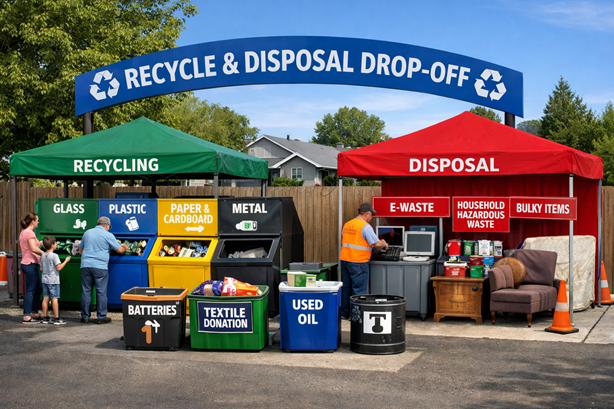
Collection logistics vary by region; you may find municipal drop-off centers, retailer takeback programs, or private haulers. Coordinating pickups for bulky items raises costs, so many programs require fees or minimum quantities.
Contamination and variable construction complicate processing. Mattresses with bedbugs, mold, or hazardous-soil must be isolated and often landfilled, reducing overall recycling rates.
Distance to certified recycling facilities affects economics. You’ll pay more in areas without nearby processors because transport adds time and expense.
Regulatory differences also matter; some jurisdictions mandate recycling or manufacturer-funded programs, while others rely on voluntary systems, creating uneven access for consumers.