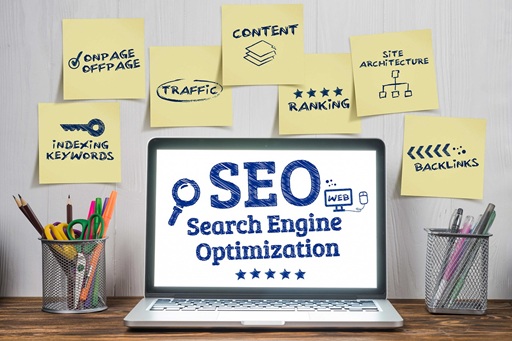
You need an SEO agency that moves your website into view and turns visits into measurable growth. An experienced partner handles technical fixes, content strategy, and link building so you can focus on your business while search traffic improves. Choose an agency that delivers clear metrics and regular reporting so you can track progress and hold performance to account.
This article walks through the core services an SEO agencies provide and how to evaluate results, so you can pick a partner that fits your goals, budget, and timeline. Expect practical guidance on audits, on-page and off-page work, and the performance signals you should monitor to know whether the strategy actually works.
Core Digital Marketing Services
These services target the technical foundation, on-page content, authority signals, and local visibility that directly affect your search rankings and organic traffic. Expect clear tasks, measurable checkpoints, and tools-based workflows tied to business outcomes.
Technical SEO Strategies
Perform a crawl and audit using tools like Screaming Frog, Sitebulb, or Google Search Console to list indexation issues, duplicate content, and redirect chains. Prioritize fixes by traffic impact: resolve 404s and redirect loops first, then address canonical tags and hreflang for multilingual sites.
Improve site speed by implementing server-side caching, compressing images with WebP, and serving critical CSS inline. Measure improvements with Lighthouse and field metrics (FID, LCP). Ensure mobile-first rendering and responsive layouts; fix viewport issues and touch-target sizes.
Harden the site’s crawlability: optimize robots.txt, submit an accurate XML sitemap, and use structured data (Schema.org) for products, FAQs, and events to increase rich result eligibility. Monitor indexing and renderability in Search Console and a staging environment before deploying major changes.
Content Optimization Approaches
Map content to user intent by analyzing high-performing query clusters and search snippets. For informational queries, produce clear, scannable articles with H2/H3 hierarchies and FAQ schema. For transactional pages, highlight pricing, specs, and CTAs above the fold.
Use on-page optimizations: place primary keywords in title tags and first 100 words, write concise meta descriptions that improve click-through rate, and optimize image alt text for accessibility and relevance. Keep each page focused on a single primary topic to avoid keyword cannibalization.
Implement content pruning and consolidation where thin or overlapping pages dilute authority. Track performance with organic traffic, bounce rate, and conversion metrics. Iterate content quarterly based on SERP shifts and user behavior data from Analytics and heatmaps.
Backlink Building Techniques
Audit your existing backlink profile with Ahrefs or Majestic to identify spammy links and high-value referring domains. Disavow toxic backlinks only after manual review; prioritize outreach to authoritative niche sites for gains that compound over time.
Use a mix of content-driven tactics: publish original research, data visualizations, and industry reports that naturally attract citations. Create guest posts on relevant publications and offer unique expert commentary for journalists via HARO to secure contextual links.
Leverage partnerships and local sponsorships for geographically relevant backlinks. Track link acquisition by domain rating, referral traffic, and resulting keyword rank changes. Maintain a steady cadence of outreach and relationship-building rather than one-off campaigns.
Local SEO Implementation
Claim and fully optimize your Google Business Profile with accurate NAP (name, address, phone), business hours, services, and high-quality photos. Use location-specific keywords in descriptions and create separate landing pages for distinct service areas.
Collect and manage reviews: request reviews after completed jobs, respond professionally to both positive and negative feedback, and resolve issues offline when necessary. Monitor local citations and ensure consistent NAP across directories like Yelp, Bing Places, and industry-specific listings.
Implement local structured data (LocalBusiness schema) and embed a Google Map with correct coordinates on contact pages. Track visibility with local rank trackers and Google Search Console performance filtered by location to identify keyword opportunities and map-pack movements.
Evaluating Performance and Results
You need clear, measurable indicators of progress, regular transparent reports, and a repeatable process that translates insights into action. Focus on traffic and conversion data, reporting cadence and clarity, and how the agency tests and iterates strategies.
SEO Metrics and Analytics
Track a balanced set of metrics: organic sessions, conversion rate from organic traffic, keyword rankings for prioritized terms, and assisted conversions from organic in your attribution model. Use Google Analytics (GA4) and Search Console together to reconcile clicks, impressions, and on-site behavior.
Monitor page-level performance: top landing pages, bounce/engagement rates, and page speed (Core Web Vitals). That reveals whether content or technical issues limit conversions.
Set benchmarks and SLA-style targets with the agency—e.g., +20% organic sessions in 12 months for target keyword clusters, or X new converting landing pages per quarter. Review cohort trends monthly and compare against seasonality and paid channel shifts to isolate SEO impact.
Reporting Best Practices
Require a consistent report cadence: at minimum monthly tactical reports and a quarterly strategic review. Monthly reports should include: a one-page executive summary, top 10 traffic-driving pages, keyword movement for target terms, conversions from organic, and action items completed.
Ask for raw data access or a shared dashboard (read-only GA4, Search Console, and an exported keyword tracker). That prevents surprises and lets you verify numbers.
Demand context in every metric: explain why a page lost traffic, whether an algorithm update likely played a role, and what corrective steps the agency took. Use visualizations—time series for traffic, bar charts for channel share, and a simple table listing actions, owners, and due dates—to speed comprehension and accountability.
Continuous Improvement Processes
Insist the agency use a documented iteration loop: audit → hypothesis → test → measure → scale. Each hypothesis should tie to a measurable KPI (e.g., increase organic form completions by reducing average page load by 20% on top 5 landing pages).
Require A/B or MVT testing where feasible and prioritized tests in a shared backlog. Track test results and retention of gains over 90 days to confirm durable wins.
Hold regular cadence meetings to review test outcomes and reprioritize based on business goals. Make continuous technical monitoring part of the contract—crawl error alerts, indexation reviews, and uptime checks—so fixes happen before they cause major traffic drops.