Finding a reliable plumber near you starts with knowing what you need and where to look, whether it’s a clogged drain, a leaking pipe, or a new water heater. You can quickly find qualified local plumbers by checking license/insurance, reviews, and availability for same-day or emergency service.
Expect the article Plumbing Near Me to walk you through common residential plumbing needs, how to evaluate credentials and pricing, and tips for hiring someone who won’t leave surprises on the final bill. Keep reading to learn practical steps that save time, avoid costly mistakes, and get your home working properly again.
Common Residential Plumbing Needs
You’ll encounter issues like hidden leaks, slow or clogged drains, aging water heaters, and worn fixtures. Each problem needs targeted inspection, the right parts, and a clear cost/time estimate.
Leak Detection and Repair
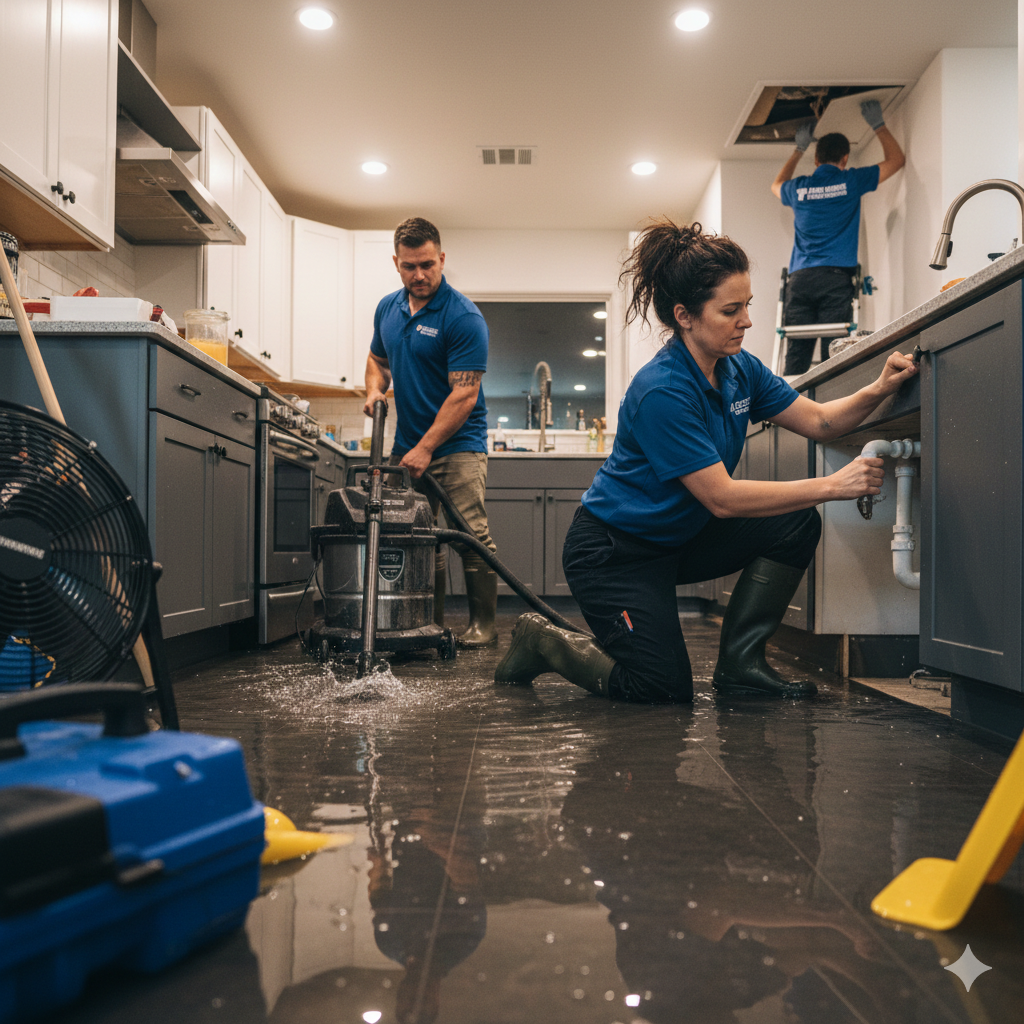
Leaks can waste water and damage structure; find them early. You should watch your water meter with all fixtures off for unexpected movement, check ceilings and baseboards for stains, and inspect exposed pipes under sinks and in basements for corrosion or wetness.
Technicians use tools such as electronic leak detectors, infrared cameras, and pressure tests to locate nonvisible leaks in walls or slabs. Repairs vary: a loose joint or pinhole requires a patch or coupling, a corroded run may need pipe replacement, and slab leaks often call for rerouting or targeted slab access.
Expect clear cost drivers: access difficulty, pipe material (copper, PEX, galvanized), and whether structural repair or drywall patching is needed. Ask for a written scope, parts list, and warranty on both labor and materials before work begins.
Drain Cleaning Services
Slow drains and recurring clogs start small but often worsen; address them promptly. You should note which fixtures back up and whether clogs are isolated (single sink) or system-wide (multiple drains).
Pros use a sequence of methods: manual snaking for hair and debris, motorized augers for deeper blockages, and hydro-jetting for built-up grease and mineral scale. Camera inspection complements cleaning by revealing tree roots, collapsed pipes, or long-standing deposits that snaking won’t fix.
Ask for video evidence and an explanation of root cause to avoid repeat calls. Preventive options include enzyme treatments, hair screens, and scheduled hydro-jetting intervals based on pipe condition and household usage.
Water Heater Installation
Replacing a water heater affects energy use, hot-water capacity, and safety. You should pick the right type (tankless, conventional tank, or heat-pump) based on household size, peak demand, and available fuel (natural gas, electric, or propane).
A plumber measures gallons-per-minute (GPM) needs, checks venting and gas lines, and verifies electrical capacity before recommending models. Installation tasks include draining and disposing of the old unit, setting proper expansion tanks or pressure-relief valves, and ensuring correct venting and gas/electrical connections.
Get a written estimate covering permits, disposal, warranty terms, and an efficiency comparison. Consider the long-term operating cost, not just the initial price, and confirm the installer follows local codes and manufacturer instructions.
Fixture Replacement
Replacing faucets, toilets, and shower valves improves performance and reduces leaks. You should select fixtures that match existing rough-ins to minimize plumbing changes and unexpected costs.
Simple swaps like a sink faucet often take under an hour if supply lines and mounting holes match. More involved jobs—replacing a toilet flange, upgrading a tub valve, or installing a wall-mounted faucet—may require flange repair, tile work, or rerouting supply lines. Choose fixtures with accessible parts and manufacturer support to simplify future maintenance.
Request a clear timeline and check whether installers will remove old fixtures and seal finish areas. Confirm that supplied parts (stops, supply lines, trim) meet local code and water-efficiency standards before work starts.
Choosing a Qualified Local Plumber
Focus on verifiable credentials, how quickly they handle emergencies, and what real customers say about their work. These three factors will help you compare plumbers by safety, speed, and reliability.
Certifications and Licensing
Check for a state or provincial plumbing license that matches the work you need—residential repairs, commercial systems, or gas piping require different credentials. Ask the plumber for their license number and verify it on your government licensing board website; this confirms training, exam passage, and any disciplinary history.
Confirm trade-specific certifications such as backflow prevention, gas fitter endorsement, or manufacturer certifications for tankless water heaters. These certifications show technical competence for specialized jobs and often affect warranty coverage.
Also verify insurance: request proof of general liability and worker’s compensation. This protects you if a worker is injured on your property or if the job causes water damage. Keep scanned copies of licenses and insurance in your records before work begins.
Response Times for Emergencies
Define what you consider an emergency—burst pipe, sewage backup, or no hot water—and ask each plumber for a committed response window. Many reputable plumbers will give a guaranteed arrival time (e.g., within 60–90 minutes for true emergencies) or offer after-hours emergency service details and extra fees upfront.
Ask about their dispatch process: do they use dedicated emergency crews, live-call dispatch, or a call center? Dedicated crews usually reach you faster and start mitigation sooner, which limits water damage and repair scope.
Get written or texted confirmation of arrival times and any overtime rates for nights or weekends. If fast response matters to you, prioritize companies with documented emergency protocols and clear surcharge policies.
Customer Reviews and Reputation
Read recent reviews on multiple platforms—Google, Yelp, HomeStars/TrustedPros or local trade directories—to spot consistent patterns. Focus on recurring praise or complaints about punctuality, cleanup, pricing transparency, and whether promised fixes resolved the issue long-term.
Look for reviews that include photos or invoices; they provide concrete proof of work quality. Pay attention to how the company responds to negative reviews: professional, timely responses that offer remediation indicate accountability.
Ask for local references and call at least two recent customers to confirm scope, cost, and whether the job stayed on schedule. Cross-check any warranty or guarantee claims you see in reviews against the company’s written warranty policy before hiring.