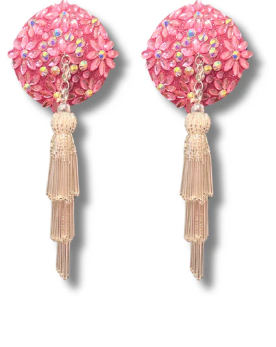
Nipple pasties are small adhesive covers that let you go braless with confidence, smooth your silhouette under sheer or backless outfits, and protect delicate skin without visible lines. If you want discreet coverage, light lift, or a no-bra look that stays put, nipple pasties provide a simple, reusable or disposable solution depending on your needs.
In Nipple Pasty You’ll learn what pasties are made of, how different shapes and materials affect comfort and hold, and how to pick and apply the right option for your outfit and skin type. The next sections explain how to choose between silicone, fabric, and adhesive options and give practical tips for application, removal, and care so your look lasts all day.
Understanding Nipple Pasty
Nipple pasties are small adhesive coverings that hide the nipple and areola, provide a smooth silhouette under clothing, or act as a decorative element. You’ll find variations meant for modesty, support, or style, and material choice determines comfort, reusability, and how they perform under different fabrics.
What Is a Nipple Pasty
A nipple pasty is a self-adhesive patch sized to cover the nipple and usually part or all of the areola. You apply it directly to clean, dry skin; most stick with medical-grade or cosmetic adhesives so they stay put through movement.
Pasties serve three main purposes: concealment under thin or sheer garments, a braless option for structured or backless clothes, and body decoration in performance or fashion contexts.
Sizes range from small discs (about 1–2 inches) to petal shapes that smooth the breast contour. Some pasties include a small tab to peel them off more easily.
Common Materials and Designs
Materials affect feel, visibility, and reusability. You can choose:
- Silicone: soft, reusable, skin-like texture; good for smoothing and long wear.
- Fabric with adhesive backing: lightweight, often disposable; less smoothing but breathable.
- Medical-grade adhesive films: ultra-thin and nearly invisible under tight or sheer fabrics. Design options include round discs, petal-shaped covers for masking areola edges, lace or decorative versions for performance, and adhesive tape petals for lift.
Color options range from skin tones to bold colors and patterns. Consider thickness (thin for invisibility, thicker for padding), adhesive strength (strong for active use), and whether the product is washable and reusable.
Nipple Pasty vs. Other Coverage Options
Nipple pasties differ from bras, nipple covers, and boob tape by intent and coverage. Compared with full bras, pasties offer minimal support—choose them when you need concealment without lift.
Versus boob tape: tape can lift and shape by anchoring skin and fabric; pasties simply cover the nipple and provide mild smoothing.
Versus larger adhesive nipple covers or silicone shells: those provide more smoothing across the areola and sometimes the lower breast for a sleeker line under clingy fabrics.
Pick pasties when you prioritize discretion, low profile under a specific neckline, or decorative effect; pick tape or structured adhesive garments when you need shaping or strong support.
How to Choose and Use Nipple Pasty
Choose a pastie that matches your nipple size, skin sensitivity, and outfit needs. Follow careful application steps and gentle removal to avoid irritation and extend wear time.
Selecting the Right Size and Shape
Measure your nipple and areola area, or compare with a ruler, to pick a pastie that fully covers the areola without excess overlap. Round or oval pasties work for most breasts; petal or foldable styles suit plunge and strapless garments.
Consider material: silicone provides strong, reusable adhesion for long wear. Fabric or adhesive paper pasties feel lighter but may lose stickiness faster. Check product specs for diameter and thickness before buying.
If you have sensitive skin, choose hypoallergenic adhesive and test a small patch on your inner arm for 24 hours. For visible clothing, match color to your skin tone or choose clear silicone to minimize show-through.
Application Tips for Best Results
Start with clean, dry skin. Wash the breast area with mild soap, rinse, and pat completely dry; avoid lotions, powders, or oils that reduce stickiness.
Peel backing from the pastie and center it over the nipple, pressing outward to smooth edges. Hold pressure for 10–20 seconds to activate the adhesive. For extra security, warm silicone pasties briefly in your hands before applying.
For long events, pair pasties with medical-grade tape at the edges or wearable adhesive strips designed for skin. Avoid stretching the pastie during application; that can lift edges and cause creasing.
Removal and Skin Care Advice
Remove slowly and gently. Lift one edge and pull parallel to skin rather than straight up to reduce tugging. Use a little baby oil, mineral oil, or adhesive remover on the edge to loosen stubborn adhesive.
Clean your skin with mild soap after removal and apply a fragrance-free moisturizer or aloe vera if redness occurs. For reusable pasties, wash adhesive surface with warm water and gentle soap, air dry, then store on the original backing to preserve stickiness.
If you notice persistent irritation, blistering, or allergic reaction, stop using the product and consult a healthcare professional. Replace disposable pasties after a single use; replace reusable pasties when adhesion degrades or hygiene can’t be maintained.